
Location: Karnataka, India
inSis Forms
A No-Code/ Low-Code platform for agile application building
Home / Solutions / Connected Worker / inSis Forms
Build fast, operate smarter
In an era where business requirements change faster than development cycles can keep up, inSis Forms serves as a high-performance, metadata-driven platform designed to bridge the gap between complex data needs and rapid deployment. Building enterprise-grade applications usually involves a tug-of-war between flexibility and stability. inSis Forms ends that struggle by providing a low-code/no-code environment where robust transactional data handling meets near-instant UI rendering. By shifting the focus from "writing code" to "configuring metadata," it empowers business users to evolve their workflows in real-time while allowing developers to focus on high-impact core enhancements.
Solution benefits
inSis Forms accelerates operational agility by allowing you to deploy and evolve scalable, enterprise-grade applications in minutes through a metadata-driven architecture that completely eliminates the need for traditional redevelopment.
0%
Savings in code developer’s time
0 Months
Pay-back period
Diverse UI Experiences
Same configuration & different UI experiences
Quick application development
Modular & extensible design
Multiple presentation modes
Configure once, render anywhere
Improved enterprise agility
Substantial cost reduction
How this helps your operations
inSis Forms transforms operations by replacing slow, traditional development cycles with a metadata-driven architecture that allows business users to deploy and adapt high-volume transactional workflows in minutes without writing code.It is designed for transactional data capture and day-to-day operational workflows, and supports high-volume data entry. While the UI remains dynamic, strict data integrity is maintained through historical traceability, built-in validation, and automated audit trails. This ensures that as the platform evolves to meet changing business requirements, all transactional data remains traceable, secure, and integrated across the enterprise ecosystem.By unifying diverse data needs into a single configuration that automatically renders into task-specific views—such as entry forms, grids, and calendars—the platform ensures seamless user adoption. The modular and extensible design easily integrates with existing enterprise systems. This modular approach eliminates IT bottlenecks and reduces maintenance costs, providing the scalability needed to evolve enterprise processes in real-time.
Industrial project
Read on to understand how inSis Forms enables rapid development of industry-specific digital applications by digitizing manual processes, structured data collection, validation, and workflow automation.
Digital Forms for the Refinery Industry
The inSis Forms platform digitizes refinery workflows through configurable forms, structured data capture, validation, database integration, and workflow automation. It supports custom fields, sections, scripting, linked forms, role-based access, automated notifications, and centralized data management, improving process standardization, traceability, and operational efficiency.
Core features
inSis Forms utilizes a metadata-driven architecture to deliver a high-performance, no-code environment that enables the rapid deployment and seamless evolution of complex transactional workflows.
- Enables quick application development without traditional coding
- Create new forms, screens, and business workflows in minutes
- Enable business users to configure fields, validation rules, and visibility conditions independently
- Supports multiple modules and Associated Objects (AOs)
- Plug-and-play components for validation, workflow, and rendering
- Modify UI layouts without requiring system redevelopment
- Carry out property changes, modifications in field relationships including additions and removals
- Behaviour and UI are driven by metadata & configuration
- Reduce dependency on development teams
- Link historical records using tags or identifiers
- Fetch past data dynamically into new forms
- Write back updates while preserving original records
- Maintain comprehensive audit trails
- Enforce field-level validation and conditional rules to ensure high-quality data capture
- Supports multiple presentation modes from the same data model
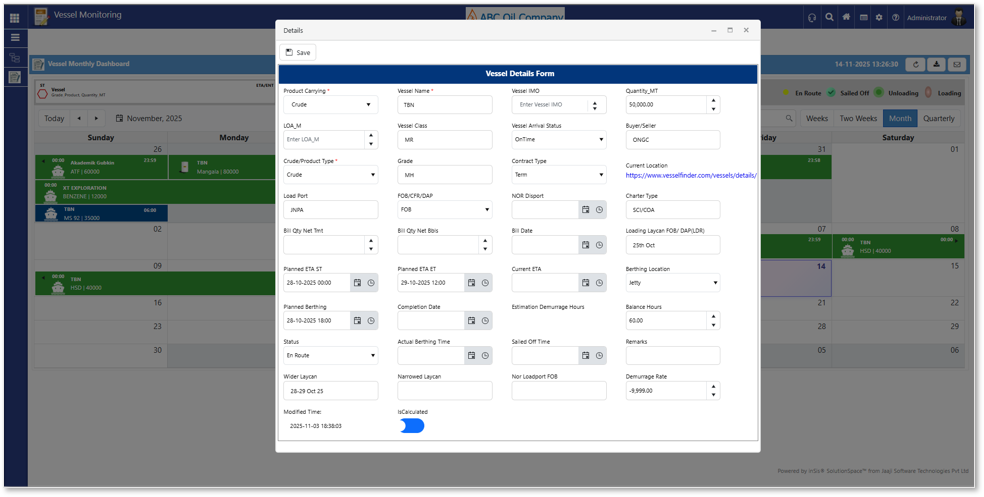
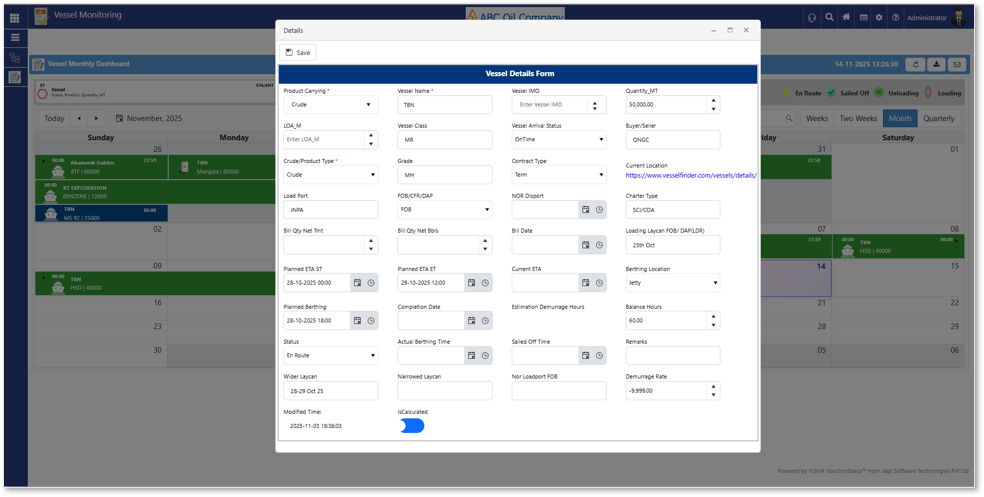
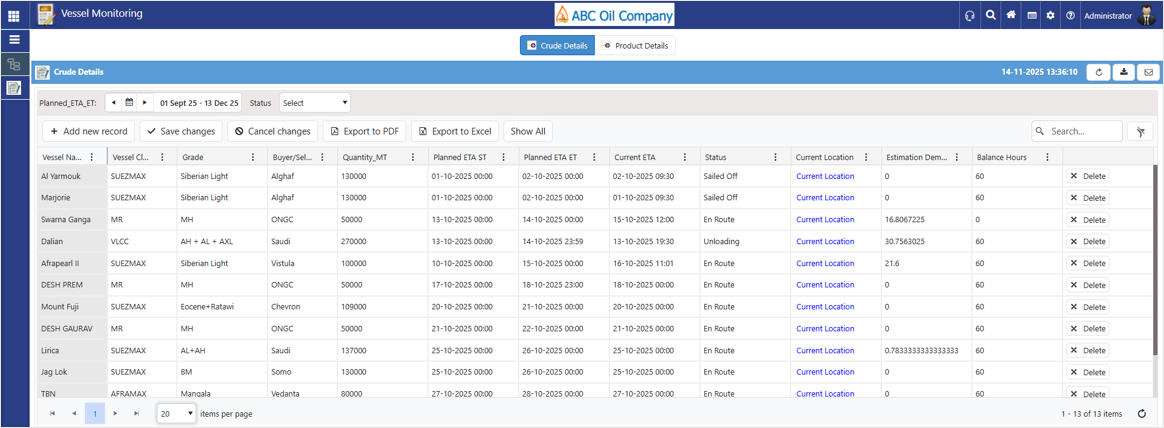
- Generate Form View for transactional data entry
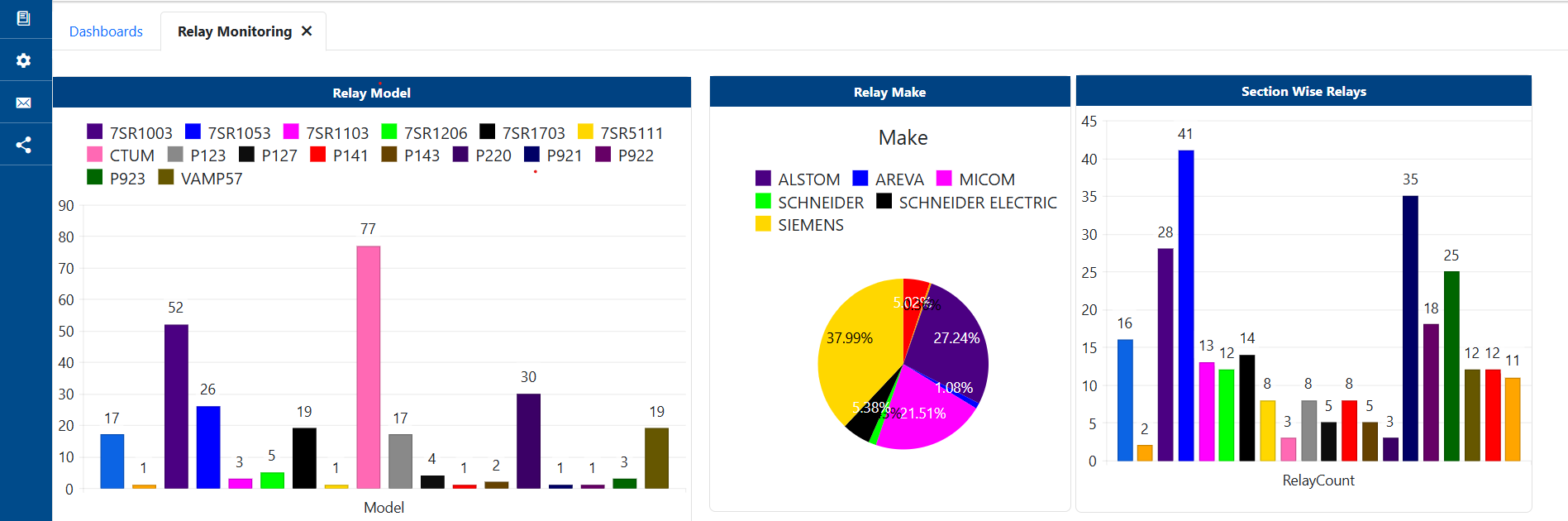
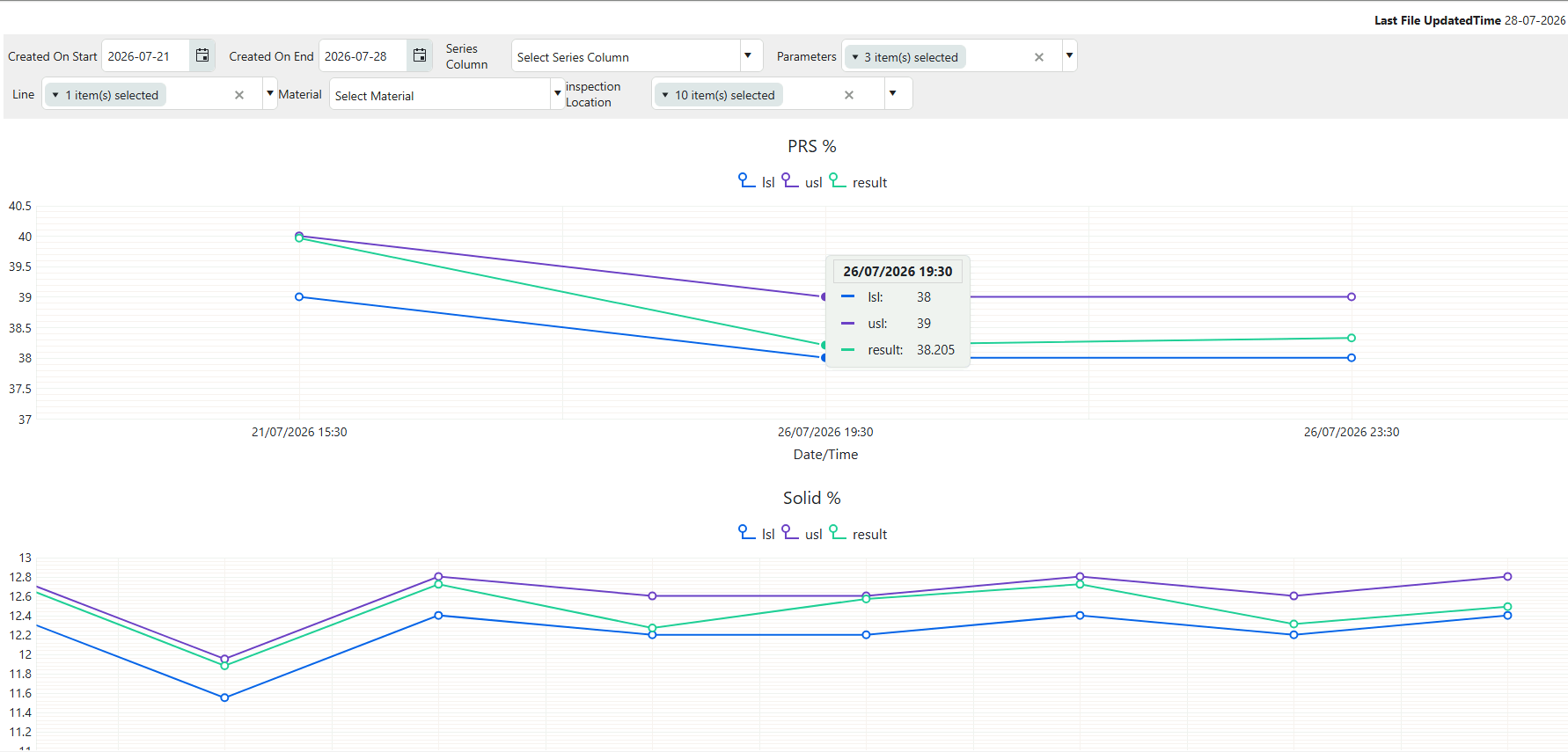
- Generate List View or Grid View for tabular reporting
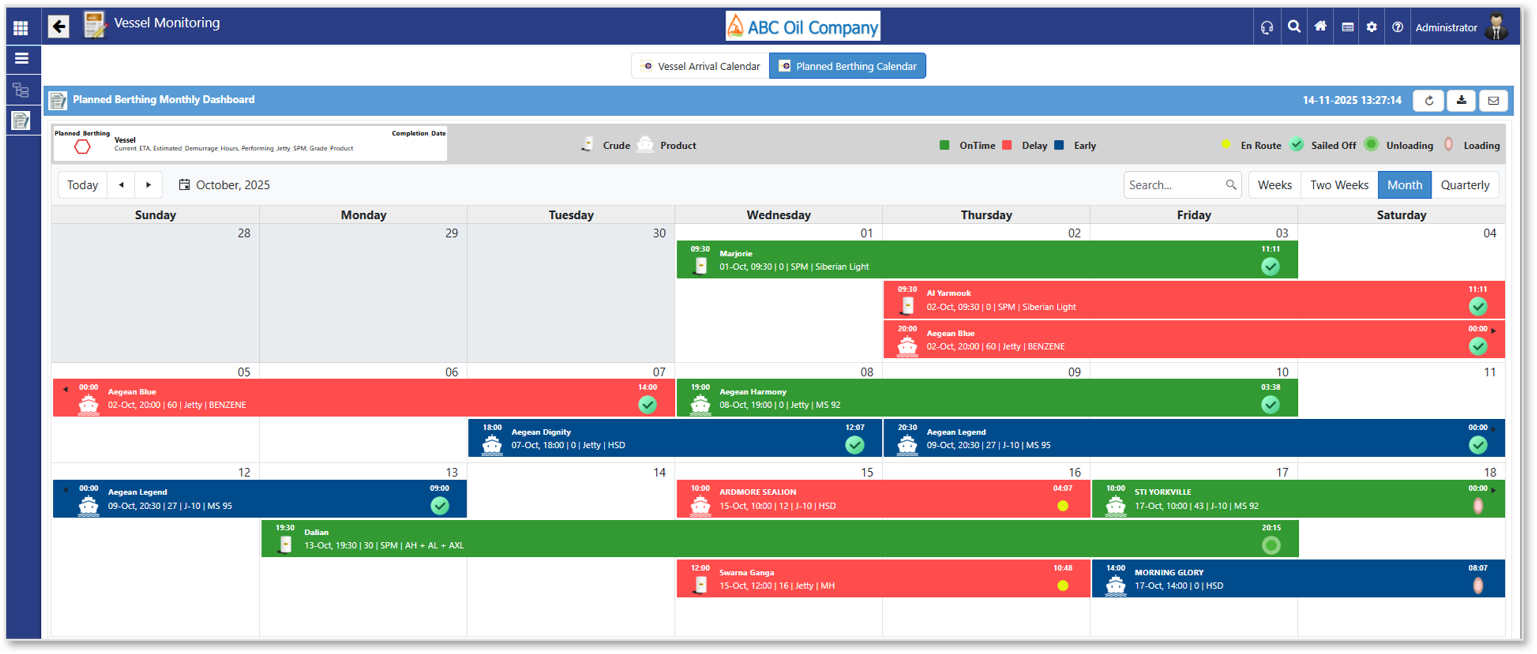
- Generate Scheduler View for time-based activities
- Generate Read-Only View for approvals and review
- Custom styles applied at runtime, either CSS-based or property-based
- Table and field-level customization without code
- Supports theme and layout consistency across modules
How it works
inSis Forms operates on a metadata-driven architecture, where forms, validation rules, and data relationships are stored as JSON configurations rather than hard-coded logic.
When a user opens an application, a high-performance engine interprets this metadata in real-time to render the interface and enforce business rules. This allows for immediate updates—such as adding fields or changing workflows—without the need for traditional software redevelopment or database restructuring. To maximize operational utility, the platform employs a ‘configure once, render anywhere’ model that translates a single data definition into various presentation modes, like grids, calendars, or entry forms.
Business users themselves can configure fields, validation rules, visibility conditions and relationships. This allows developers to focus only on the core platform enhancements. The platform supports extension hooks for advanced customization when required.
A modular solution
Our solution simplifies complexity through modular, reusable components, enabling greater flexibility, scalability, and easier maintenance.

Brochures
Explore our collection of resources to learn more about us, our journey, and how we can empower you.
e-Brochure for a Quick Overview of inSis Forms and Its Key Benefits
Explore how inSis Forms digitizes processes, automates workflows, and enables faster application development without traditional
Download Now